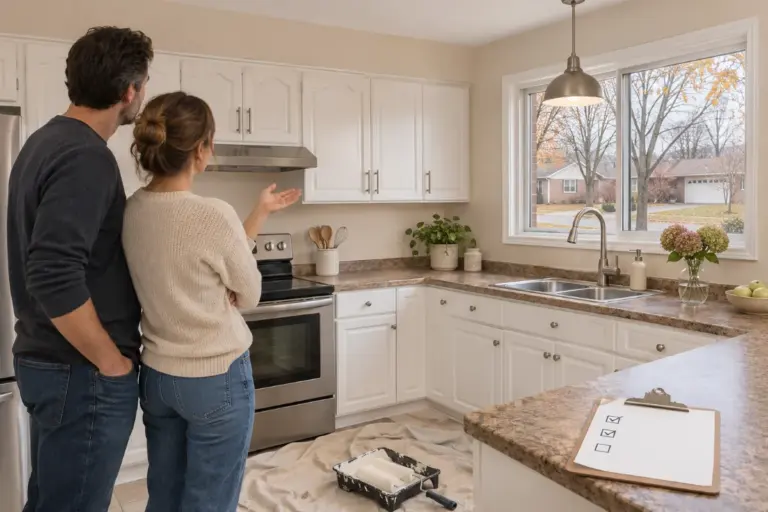
Guide to Buying Foreclosure Homes in Ottawa

A foreclosure listing can look like the answer to a difficult affordability question. But a guide to buying foreclosure homes should start with the truth: a low asking price is not the same thing as a bargain. The property may need work, the lender may have limited knowledge of its condition, and your ability to negotiate may be narrower than you expect.
I help buyers look past the headline price and decide whether the total cost, risk and timing make sense. In Ottawa and Eastern Ontario, that means comparing the home to current active listings, recent sold comparables, local days on market and the competition in its price bracket before writing an offer.
What does foreclosure mean in Ontario?
In Ontario, many distressed properties are sold through a power of sale process rather than a traditional foreclosure. The lender may sell the property after a borrower defaults, usually with the goal of recovering the outstanding debt and sale costs. A court supervised judicial sale can also occur, although it is less common.
For a buyer, the practical point is that the seller is often a lender, not an owner who has lived in the home. The property is commonly sold on an as is, where is basis. The lender may provide limited disclosures, may not have keys for every outbuilding, and may be unwilling or unable to answer ordinary questions about repairs, renovations, permits or past water issues.
That does not make the purchase unwise. It means your due diligence must be stronger than it would be on a typical resale. Your real estate lawyer should review the agreement and advise on the specific sale process, title matters and closing obligations before you remove conditions.
Is a foreclosure home actually cheaper?
Sometimes, but not reliably. The asking price may be set below comparable homes to generate interest, or it may simply reflect condition, location, financing limitations or a lender’s expectation of a clean, certain closing.
I start with sold comparables, not the list price. A detached home in Orléans that needs a roof, windows and major interior work is not comparable to a maintained home that sold quickly nearby. A condominium in Centretown with an unusually low price needs a review of the status certificate, monthly fees, reserve fund and any pending special assessments before anyone calls it a deal.
Buyers also need to account for the cost of money and time. If repairs delay your move, require a construction loan, or leave you carrying two homes longer than planned, an apparent discount can disappear quickly. If you were the buyer, what would you offer on a home that has sat for 60 days because its condition is uncertain?
What should I check before making an offer?
Your offer should be based on evidence, financing and a realistic repair budget. Do not let the possibility of competing offers turn a property that needs careful investigation into an emotional purchase.
First, establish value from current competition and recent sales. Active listings tell you what alternatives a buyer can choose today. Sold comparables show what buyers actually paid. Days on market and sale to list price ratios in that specific neighbourhood and price range show whether sellers have leverage or whether buyers can be more selective.
Next, arrange a qualified home inspection where possible. An inspection cannot see behind walls or guarantee future performance, but it can identify major concerns and help you prioritize. Pay close attention to these areas:
- roof condition, grading, drainage and foundation signs
- electrical panel, plumbing, heating and cooling equipment
- evidence of moisture, mould or long term vacancy
- septic, well and outbuilding condition for rural properties
A rural foreclosure near Russell, Embrun, Cumberland or Clarence Rockland needs particular care. Private wells, septic systems, propane equipment, acreage drainage, barns and accessory structures can create expenses that do not show up in a basic comparison of sale prices. Depending on the property, you may need specialists beyond a general home inspector.
Finally, ask your lender early whether the home is financeable in its present condition. Some properties need repairs before conventional financing is available, while others may meet lender requirements without difficulty. Your mortgage professional can explain the options and the effect of the purchase on your approval.
Can I include conditions in a foreclosure offer?
Often you can propose conditions, but whether the seller accepts them depends on the listing instructions, competing interest and the lender’s priorities. A lender may favour a higher price, fewer conditions, proof of financing, a deposit structure it can accept, or a closing date that fits its process.
Do not confuse a firm offer with a strong offer. A firm offer without an inspection, financing confidence or legal review can be expensive if the property has serious defects or closing problems. The right conditions protect you, but they must be drafted carefully and be realistic for the property and transaction.
The lender may also use schedules with terms that differ from a standard resale agreement. These can address representations, repairs, chattels, closing adjustments and liability. Read every document, allow time for your lawyer’s review and do not assume the lender will repair an issue found after the offer is accepted.
How do I set an offer price that protects me?
The right price is not a percentage below asking. It is the price supported by comparable sales after you account for condition, repair scope, market demand and the terms you are accepting.
I would assess the property as if it were a normal listing, then isolate the differences. Is the kitchen simply dated, or are there visible leaks and missing fixtures? Is the home priced below nearby sales because of an estate level cleanout, or because it requires structural work? Are there three similar active homes in Kanata or Barrhaven with better condition and easier possession?
Your terms have value too. A lender may see a verified financing condition, meaningful deposit and dependable closing date as more credible than an aggressive offer with uncertainty around it. But you should not pay more merely to feel safer in a bidding situation. The market evidence must support the decision.
I also encourage buyers to set a walk away number before submitting. If the property needs more money than expected or the competition pushes beyond its supported value, let it go. There will be other homes. What matters more to you: winning this particular offer, or buying a home you can afford to repair and enjoy?
What costs are easy to miss?
Beyond the purchase price, budget for Ontario land transfer tax, legal fees, home inspection costs, appraisal fees where required, insurance, moving and immediate repairs. If you are buying a condominium, review the status certificate and budget for ongoing fees. If the property has been vacant, allow for utility reconnection, cleaning, pest control, lock changes and seasonal maintenance.
For a property that needs renovation, obtain written estimates before assuming the work will fit your budget. Material costs, contractor availability and permit requirements can affect both price and timing. Your lawyer, mortgage professional, inspector and relevant trades each have a different role. Use them early rather than trying to solve every issue after closing.
How can I find the right foreclosure opportunity?
The best opportunities are not always the most dramatic listings. A well priced property with manageable repairs, clear financing and solid comparable support may be a better outcome than a deeply discounted home with unknown risks.
I can help you watch the Ottawa and Eastern Ontario market with a clear brief: location, budget, property type, renovation tolerance and timing. When a possible fit appears, we can assess its active competition, recent sales, days on market and offer terms before you commit. That is how you make a disciplined decision rather than chase a label.
Get your Ottawa buyer shortlist
Frequently asked questions
Can a first time buyer purchase a foreclosure home?
Yes, provided the property and financing fit their situation. First time buyers should be especially cautious with homes needing major repairs, because their cash reserve can be stretched by closing costs and unexpected work.
Are foreclosure homes sold as is in Ontario?
They often are, particularly when a lender is selling through power of sale. The exact terms matter, so have your lawyer review the agreement and schedules before making a final commitment.
Can I negotiate with the bank?
You can make an offer and negotiate through the listing process, but the lender may follow strict internal requirements. A well supported offer with clear financing and sensible conditions is usually more persuasive than an unsupported low number.
Should I skip the inspection to make my offer stronger?
Usually, no. Skipping an inspection may be reasonable only when you fully understand the risks, have the resources to absorb repairs and have received appropriate professional advice. A calm, informed choice is worth more than a quick win.
Sigounis Properties. We Know Strategy.